
You’ve got an event coming up. Corporate breakfast. Weekend brunch. Client meeting. Family celebration. Whatever it is, you need to feed people, and you need the food to be good.
Here’s the thing: your guests have been to a hundred events where the catering was forgettable. Same bagels. Same cream cheese. Same safe, boring spread that nobody talks about afterward. You want something better. You want variety that works for everyone, fresh food that tastes like someone actually cared, and a setup that doesn’t add stress to your already packed to-do list.
This isn’t about reinventing the wheel. It’s about ordering smarter, planning for the people you’re actually feeding, and working with a caterer who gets it. Let’s talk about how to make that happen.
Why Diverse Catering Menus Matter More Than You Think
Walk into any catered event and you’ll see it. The person scanning the table, looking for something they can actually eat. The guest with a gluten allergy who’s stuck with fruit. The vegan who gets a sad plate of lettuce while everyone else enjoys the main spread.
It’s awkward for them. It’s embarrassing for you. And it’s completely avoidable.
Diverse catering isn’t about being trendy or checking boxes. It’s about making sure every person at your event feels considered. When you plan a menu that goes beyond one-note options, you’re not just feeding people—you’re showing them you thought about their experience. That matters more than you’d think, especially in Long Island and NYC where your guests come from different backgrounds, follow different diets, and have different expectations.
What Makes a Catering Menu Actually Diverse
Diverse doesn’t mean complicated. It means offering real variety that covers the bases without turning your event into a logistical nightmare.
Start with the proteins. If you’re serving meat, make sure there’s a solid vegetarian or plant-based option that isn’t just pasta with marinara. Think grilled vegetables, grain bowls, or creative salads that actually fill people up. For breakfast catering, go beyond scrambled eggs and bacon. Offer egg sandwiches on different breads, wraps with fresh ingredients, or build-your-own bagel stations that let people customize what they want.
Then think about the sides and accompaniments. Fresh salads with different dressings. Multiple spreads for bagels or bread. Seasonal fruit that’s actually ripe. These aren’t extras—they’re what turn a basic spread into something people remember.
Dietary restrictions should be part of your plan from the start, not an afterthought. Gluten-free options that don’t taste like cardboard. Dairy-free spreads that vegans can enjoy without feeling left out. Nut-free dishes for guests with allergies. When you work with a full-service catering company that knows how to handle this stuff, it’s not a burden. It’s just part of building a better menu.
And here’s what a lot of people miss: variety doesn’t have to blow your budget. The key is choosing a caterer who offers flexibility. Someone who can scale options based on your headcount and mix crowd-pleasers with a few standout items. You don’t need fifteen entrees. You need the right six or seven that cover your bases and taste great.
Picture this: instead of just bagels and cream cheese, you’re offering kettle-cooked bagels with house-made spreads, a platter of smoked salmon with all the fixings, fresh fruit, gourmet egg sandwiches, and maybe even some Italian pastries or breakfast wraps. Suddenly, you’ve got a spread that works for the keto person, the vegan, the traditionalist, and everyone in between. That’s what diverse looks like in practice.
How to Plan for Dietary Needs Without Overcomplicating Things
Here’s where a lot of event planners get stuck. You send out RSVPs, and suddenly you’re dealing with one gluten-free guest, two vegans, someone who’s dairy-free, and another person who’s allergic to shellfish. It feels overwhelming, like you need to create a custom meal for every single attendee.
You don’t.
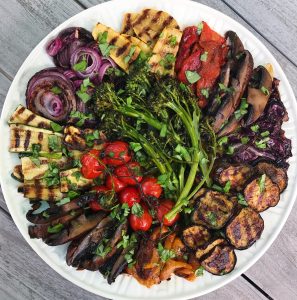
The smarter approach is to build inclusivity into your main menu. Instead of creating separate “special” meals that make people feel singled out, choose dishes that naturally accommodate multiple restrictions. A fresh vegetable platter with hummus works for vegans, vegetarians, and gluten-free guests. A salad bar with various toppings and dressings lets people build what works for them. Grilled chicken over greens can be dairy-free and gluten-free without any extra effort.
When you order catering services, ask your provider how they handle dietary restrictions. The good ones don’t treat it like a hassle. We’ve already thought through how to make inclusive options that taste just as good as everything else on the table. We’ll suggest modifications, offer alternatives, and make sure you’re not scrambling at the last minute.
Labeling is huge. If you’re doing a buffet or plated setup, clear labels that show what’s vegan, gluten-free, or nut-free save everyone time and awkward questions. It’s a small detail that makes a big difference in how comfortable your guests feel.
And don’t forget beverages. Coffee is standard, but offering non-dairy milk options, fresh juices, and maybe a signature mocktail shows you’re thinking about the whole experience. People notice when you go the extra step.
Common Catering Mistakes That Ruin Otherwise Great Events
Even with the best intentions, catering can go sideways fast. Most of the time, it’s not the food itself—it’s the planning, the portions, or the communication that falls apart.
Running out of food is the nightmare scenario. You’ve seen it happen. The last few guests in line get slim pickings, or worse, there’s nothing left. It’s embarrassing, and it’s avoidable. The flip side is over-ordering to the point where you’re throwing away half the spread and wasting money. Finding that balance takes experience, and it’s why working with a caterer who understands portion planning matters.
Then there’s the timing issue. Food shows up late, or it sits out too long and gets cold. Setup takes longer than expected, and suddenly your event schedule is off. Professional caterers build in buffers, coordinate with your venue, and know how to keep food at the right temperature. If your caterer doesn’t ask about timing and logistics upfront, that’s a red flag.
Why Portion Planning Is Harder Than It Looks
You’d think estimating how much food you need would be straightforward. Count your guests, multiply by servings, done. But it’s never that simple.
Different events have different appetites. A breakfast meeting where people are grabbing a quick bagel before sitting down needs less food per person than an all-day conference where lunch is the main break. A cocktail-style event with small bites requires different calculations than a sit-down dinner. The format matters.
Buffets typically need more food than plated service because people serve themselves, and portions aren’t controlled. If you’re doing family-style or stations where guests can go back for seconds, you need to account for that. A good caterer will ask about your event format and suggest realistic quantities based on what we’ve seen work.
Guest behavior plays a role too. Are people arriving all at once, or will they trickle in over an hour? How long will food be available? If your event runs longer than expected, you might need more than you originally planned. Building in a small buffer—usually around 10% extra—gives you breathing room without going overboard.
And here’s something people forget: not all dishes get eaten equally. The crowd-pleasers go fast. The more adventurous options might sit. A smart menu balances familiar favorites that you know will get devoured with a couple of interesting choices that add variety. Your caterer should help you figure out those ratios based on your specific group.
Let’s say you’re ordering for a 50-person corporate lunch catering event. You might think one sandwich per person is enough, but if half your group skips breakfast, they’re hungrier than usual. Or maybe you’re doing a morning event and people just want coffee and a light bite. An experienced caterer in Long Island or NYC has seen both scenarios play out hundreds of times. We know how to adjust.
How to Avoid Miscommunication With Your Caterer
Miscommunication is one of the most common reasons catering goes wrong. You think you’ve made your needs clear, but something gets lost in translation. The wrong dishes show up. The setup isn’t what you expected. The timing is off.
This is fixable with better communication from the start.
When you’re booking catering, write everything down. Don’t rely on verbal agreements or assumptions. Confirm the menu, the headcount, the delivery or setup time, and any special requests in writing. If you’re doing a tasting beforehand (which you should), use that time to clarify exactly what you’re getting and how it will be presented.
Ask specific questions. What time will the caterer arrive? How long does setup take? Will we bring serving utensils, plates, napkins? Who’s responsible for cleanup? What happens if your guest count changes at the last minute? A professional caterer won’t be annoyed by these questions—we’ll appreciate that you’re being thorough.
Check in as the event gets closer. Confirm details a few days before, then again the day before. It might feel like overkill, but it’s how you catch mistakes before they become problems. If something changes on your end—venue access, guest count, timing—let your caterer know immediately. The earlier we know, the easier it is to adjust.
And choose a caterer who communicates well from the beginning. If we’re hard to reach during the planning phase, that’s a warning sign. You want someone responsive, clear, and proactive about solving problems before they happen. The best catering companies in Long Island and NYC have systems in place to keep you in the loop and make sure nothing falls through the cracks.
Making Your Next Catering Order Actually Work
Ordering catering doesn’t have to be stressful. When you focus on variety, plan for dietary needs, and work with a caterer who knows what they’re doing, the food becomes one less thing to worry about.
Start by thinking about your guests—what they’ll enjoy, what they need, and how the food fits into your event flow. Choose a menu that goes beyond the basics without overcomplicating things. Communicate clearly with your caterer, confirm the details, and build in a little flexibility for the unexpected.
The right catering partner makes all of this easier. We bring the experience, the quality ingredients, and the full-service support that turns a good event into one people actually remember.
If you’re planning an event in Long Island or NYC and want catering that goes beyond the usual bagel spread, Brendel’s Bagels offers the variety, freshness, and professional service that makes the difference. From traditional kettle-cooked bagels to Italian catering and premium BBQ, we handle everything from setup to cleanup so you can focus on what matters.